Jul 24, 2026Buying Guides
How Elycen LED Lighting Products Meet European ERP Requirements
Learn how our commercial LED lighting products meet European ERP requirements through energy-efficient design, thermal management, optical optimization, and reliable engineering solutions.
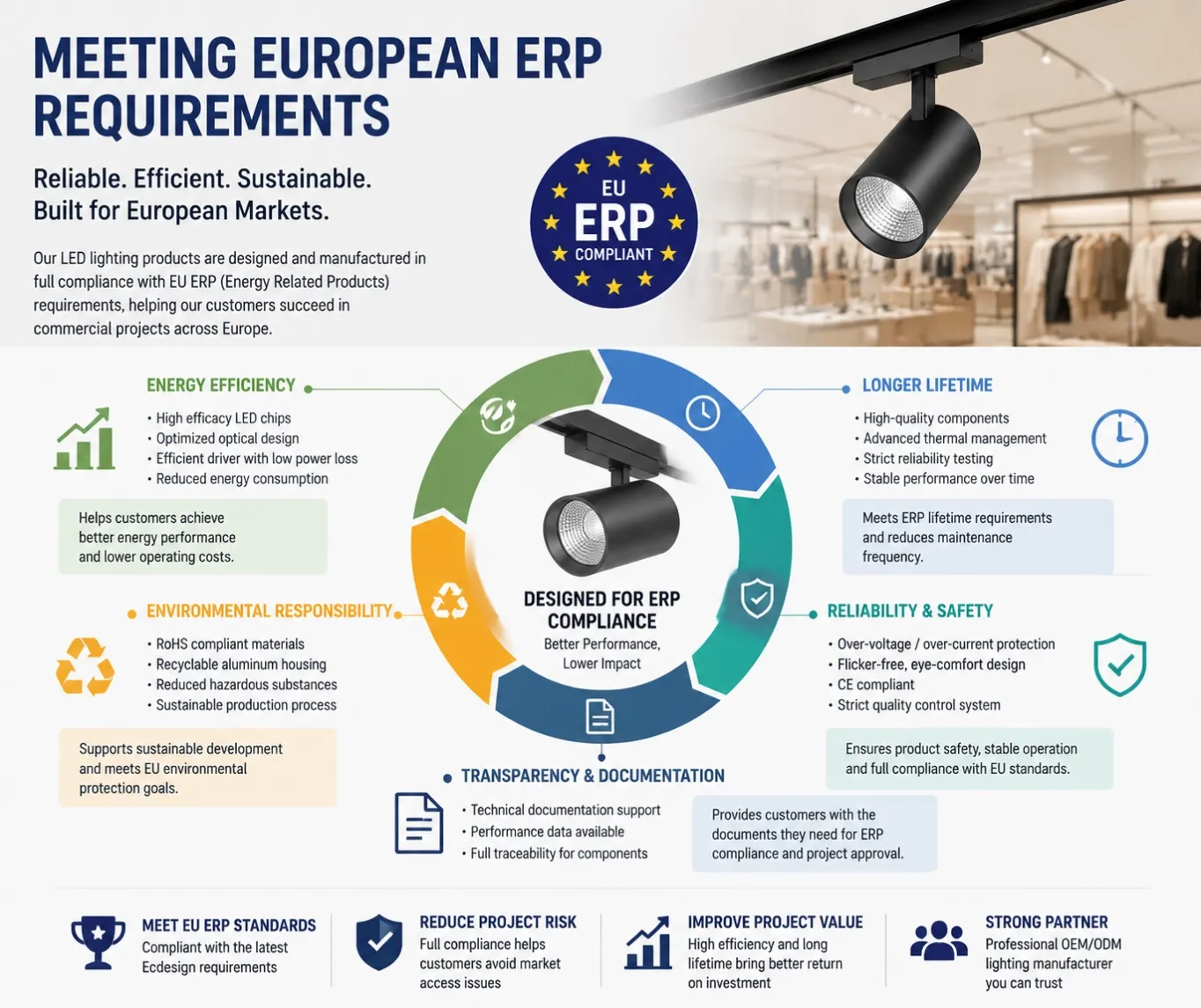
Ensuring Energy Efficiency, Compliance, and Reliable Performance for European Customers
For commercial lighting projects in Europe, compliance with ERP (Energy Related Products) requirements has become an essential part of product development and procurement.
Lighting manufacturers are not only required to provide efficient LED products but also need to consider energy consumption, product lifetime, component quality, replaceability, and environmental impact.
As a professional OEM/ODM commercial lighting manufacturer, we integrate ERP requirements into every stage of product development — from optical design and thermal management to component selection and quality testing — helping our customers successfully meet European project standards.
What Is ERP Regulation for LED Lighting?
ERP is part of the European Union’s Ecodesign Directive framework, which establishes requirements for energy-related products placed on the European market.
For LED lighting products, ERP requirements mainly focus on:
- Energy efficiency
- Power consumption
- Product lifetime
- Reliability performance
- Standby power consumption
- Functional performance
- Product information requirements
The latest ERP requirements encourage manufacturers to develop lighting products with:
- Higher energy efficiency
- Longer service life
- Better resource utilization
- Reduced environmental impact
How We Design LED Lighting Products to Meet ERP Requirements
1. High-Efficiency LED Selection
The LED module is the foundation of lighting performance.
For ERP-compliant commercial lighting solutions, we carefully select LED components based on:
- High luminous efficacy (lm/W)
- Stable color performance
- Low lumen depreciation
- Long operating lifetime
Typical considerations include:
- LED efficiency
- Color consistency
- CRI performance
- CCT stability
This ensures the final product delivers both energy savings and reliable illumination.
2. Optimized Optical Design for Higher Efficiency
Energy efficiency is not only determined by the LED chip but also by the optical system.
Our engineering team optimizes:
- Lens design
- Reflector structure
- Beam angle
- Light distribution
to achieve:
- Higher usable light output
- Reduced optical loss
- Better illumination uniformity
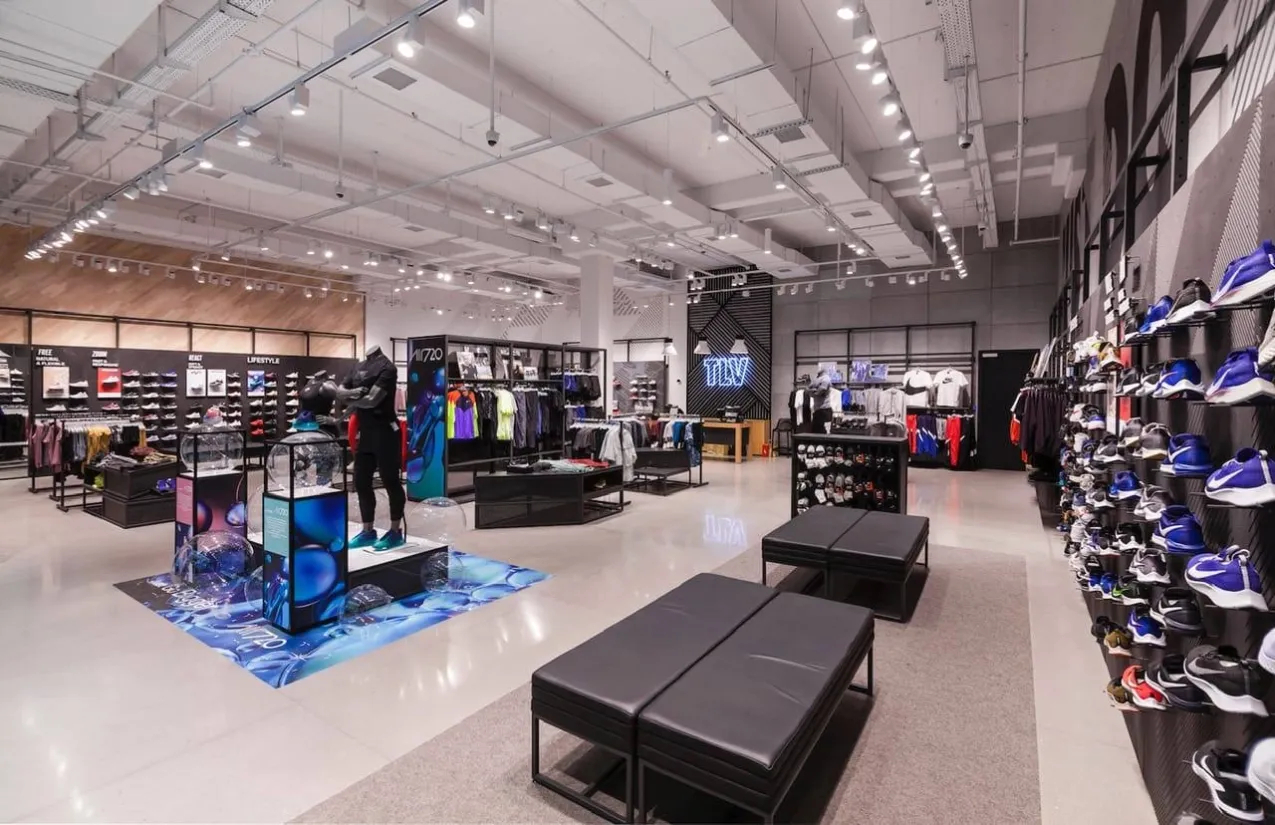
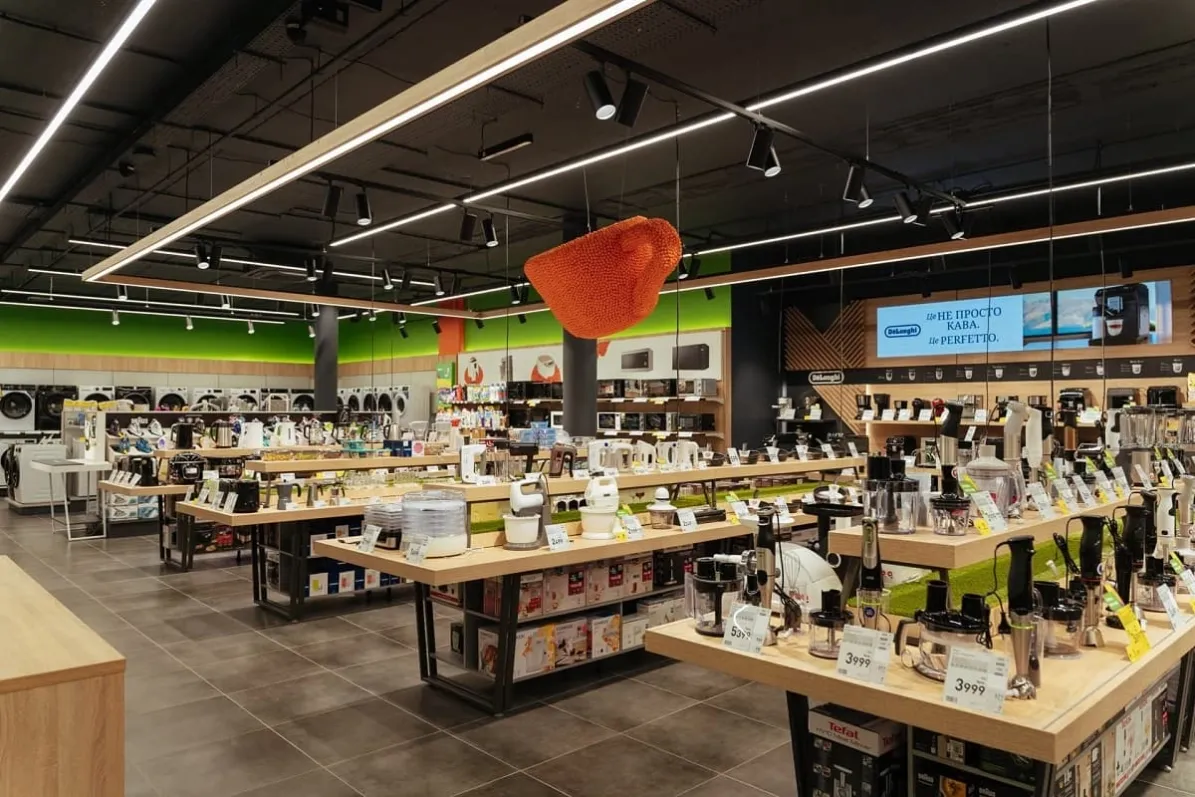
For commercial applications such as retail stores, galleries, and hotels, efficient optical design helps reduce the number of fixtures required while maintaining lighting quality.
3. Advanced Thermal Management for Longer Lifetime
LED lifetime is strongly affected by operating temperature.
Poor thermal management can cause:
- Faster lumen depreciation
- Color shift
- Shorter product lifetime
Our product development process includes:
Thermal Simulation
Before production, we analyze:
- Heat distribution
- LED junction temperature
- Housing temperature
Material Optimization
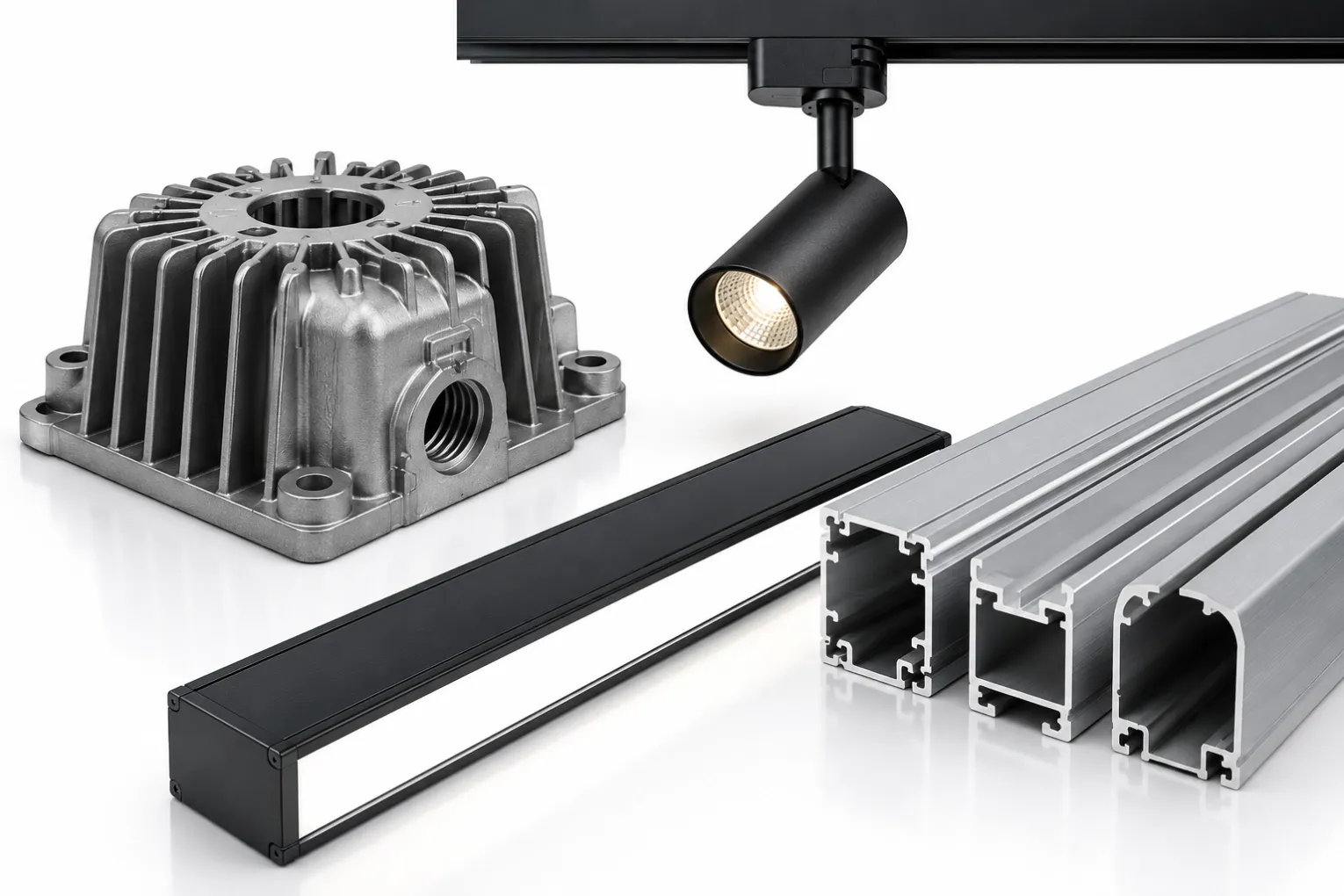
Different applications require different aluminum solutions:
6063 Extruded Aluminum
Advantages:
- Excellent heat dissipation
- Lightweight structure
- Suitable for linear lighting and high-power fixtures
ADC12 Die-Cast Aluminum
Advantages:
- Complex shape capability
- Cost-effective
- Suitable for spotlights and downlights
Proper thermal design helps maintain stable performance throughout the product lifetime.
4. Reliable Driver Selection
LED drivers have a major impact on energy efficiency and product reliability.
For European projects, we consider:
- Driver efficiency
- Power factor (PF)
- Lifetime rating
- Flicker performance
- Dimming compatibility
Depending on project requirements, solutions may include:
- DALI dimming
- 0-10V dimming
- TRIAC dimming
- Smart lighting control systems
5. Product Lifetime and Reliability Testing
To ensure stable performance, our products undergo multiple quality evaluations.
Typical testing includes:
Electrical Testing
- Input voltage test
- Power consumption test
- Driver performance test
Thermal Testing
- Temperature rise test
- Thermal simulation verification
Optical Testing
- Light distribution measurement
- Beam angle verification
- Color consistency testing
Aging Test
Long-term operation testing helps verify:
- Reliability
- Lumen maintenance
- Product stability
6. Design for Sustainable Commercial Lighting Projects
Modern European customers increasingly focus on sustainability.
Our product design considers:
- Long service life
- Replaceable components
- Material selection
- Reduced energy consumption
- Responsible manufacturing
Through optimized design, customers can achieve:
- Lower operating costs
- Reduced maintenance frequency
- Improved project sustainability
ERP Compliance Support for OEM/ODM Customers
For customized commercial lighting projects, we provide engineering support throughout the entire development process.
Project Requirement Analysis
We evaluate:
- Application environment
- Lighting requirements
- Installation conditions
- Energy efficiency targets
Product Design & Engineering
Including:
- Mechanical design
- Optical simulation
- Thermal analysis
- Prototype development
Testing & Documentation
Supporting:
- Performance verification
- Technical documents
- Compliance preparation
Why Choose an Experienced Commercial Lighting Partner?
Meeting ERP requirements requires more than selecting efficient LED components.
It requires a complete engineering approach combining:
✓ Optical design
✓ Thermal management
✓ Material selection
✓ Electrical engineering
✓ Quality control
✓ Manufacturing experience
With extensive experience in commercial lighting development, we help European customers create reliable, energy-efficient, and project-ready LED lighting solutions.
Conclusion
European ERP requirements are driving the lighting industry toward higher efficiency, better reliability, and more sustainable product design.
By integrating ERP considerations into our OEM/ODM development process, we help customers achieve commercial lighting solutions that meet:
- Energy efficiency expectations
- Project performance requirements
- Long-term reliability goals
- European market compliance needs
From concept design to mass production, we provide complete engineering support for customized commercial lighting projects.