Jul 25, 2026Buying Guides
What Is Commercial Lighting? Complete Guide to Commercial LED Lighting
Learn what commercial lighting is, its types, benefits, applications, and how to choose the right commercial LED lighting solutions for offices, retail stores, hotels, warehouses, and more.
What Is Commercial Lighting?
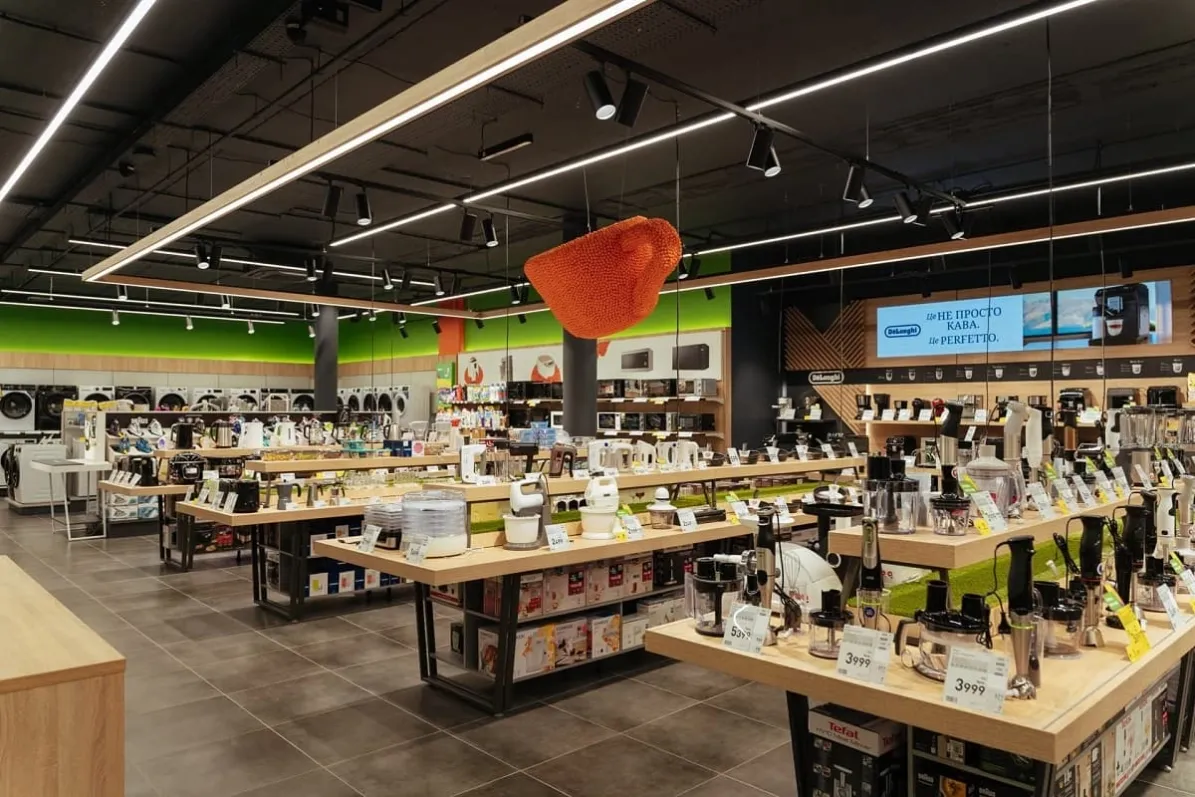
Commercial lighting refers to lighting systems specifically designed for business, industrial, and public environments rather than residential homes. It includes a wide range of lighting fixtures used to illuminate workplaces, retail spaces, hospitality venues, educational facilities, healthcare buildings, warehouses, and other commercial properties.
A well-designed commercial lighting system does much more than provide illumination. It enhances employee productivity, improves customer experiences, showcases products, supports brand identity, increases safety, and significantly reduces energy consumption through modern LED technology.
Today, commercial LED lighting has become the preferred choice for businesses worldwide because of its energy efficiency, long lifespan, superior lighting quality, and compatibility with smart lighting controls.
Why Is Commercial Lighting Important?
Lighting directly influences how people work, shop, and interact within a space. Poor lighting can cause eye strain, reduce productivity, and create an uninviting atmosphere. In contrast, professional commercial lighting helps businesses create brighter, safer, and more engaging environments.
The right lighting solution can help businesses:
- Improve employee productivity and comfort
- Enhance customer experience
- Increase product visibility
- Strengthen brand image
- Reduce electricity costs
- Lower maintenance expenses
- Improve workplace safety
- Support sustainable building initiatives
For many businesses, lighting is not just an operational necessity—it is a strategic investment that delivers long-term value.
Common Types of Commercial Lighting
Different commercial spaces require different lighting solutions. The most common types include:
LED Track Lighting
Track lighting features adjustable fixtures mounted on a track, allowing light to be directed exactly where it is needed. It is ideal for highlighting products, artwork, or architectural features.
Best for:
- Retail stores
- Clothing boutiques
- Museums
- Art galleries
- Showrooms
- Exhibition spaces
LED Downlights
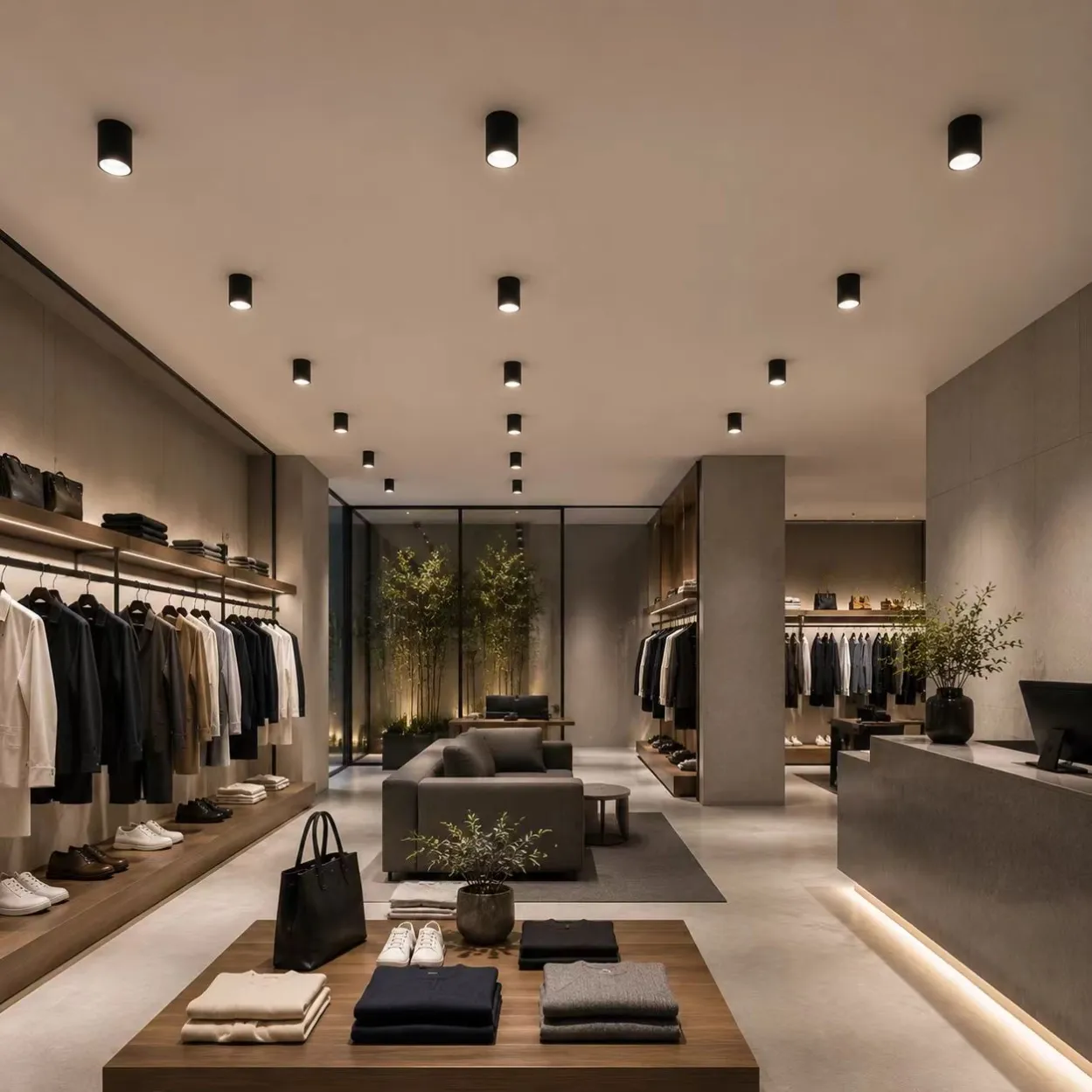
Downlights are recessed ceiling fixtures that provide clean, uniform illumination while maintaining a minimalist appearance.
Best for:
- Offices
- Hotels
- Shopping malls
- Restaurants
- Reception areas
- Meeting rooms
Linear LED Lighting
Linear lighting creates continuous lines of light, making it popular in modern commercial interiors.
Best for:
- Offices
- Schools
- Hospitals
- Supermarkets
- Libraries
- Commercial buildings
LED Panel Lights
Panel lights deliver soft, glare-free illumination that supports visual comfort in professional environments.
Best for:
- Offices
- Conference rooms
- Healthcare facilities
- Educational institutions
Spotlights
Spotlights produce focused beams to emphasize displays, products, or architectural details.
Best for:
- Retail stores
- Luxury boutiques
- Hotels
- Museums
- Product displays
High Bay Lights
High bay fixtures are designed for spaces with high ceilings and large floor areas.
Best for:
- Warehouses
- Factories
- Logistics centers
- Sports facilities
Commercial Lighting Applications
Commercial lighting is used across a wide range of industries and business environments.
Office Buildings
Comfortable, glare-free lighting improves concentration, reduces eye fatigue, and creates productive workspaces.
Retail Stores
Accent lighting and track lighting attract attention to merchandise and create an engaging shopping experience.
Hotels and Hospitality
Warm, layered lighting enhances guest comfort while reinforcing a premium brand image.
Restaurants and Cafés
Lighting creates atmosphere, influences customer mood, and complements interior design.
Supermarkets
Uniform lighting ensures products appear fresh, clean, and easy to identify.
Warehouses
High-output LED lighting improves visibility, workplace safety, and operational efficiency.
Museums and Galleries
Adjustable lighting protects exhibits while highlighting artwork with accurate color rendering.
Educational Facilities
Consistent, comfortable lighting supports learning and reduces visual fatigue.
Benefits of Commercial LED Lighting
Modern LED technology has transformed commercial lighting by providing significant advantages over traditional fluorescent and halogen systems.
Energy Efficiency
LED fixtures consume up to 80% less electricity, helping businesses reduce operating costs.
Long Lifespan
Most commercial LED fixtures last 50,000 hours or more, reducing replacement frequency and maintenance costs.
Excellent Light Quality
High Color Rendering Index (CRI) allows products, interiors, and materials to appear more natural and vibrant.
Lower Maintenance
Long service life means fewer lamp replacements and reduced maintenance expenses.
Smart Lighting Compatibility
LED systems integrate easily with dimmers, occupancy sensors, daylight sensors, DALI, Zigbee, and other smart building controls.
Sustainability
Lower energy consumption and reduced waste support environmental goals and green building certifications.
How to Choose the Right Commercial Lighting
Selecting the right commercial lighting depends on several factors.
Consider:
- Building type
- Ceiling height
- Room size
- Lighting purpose
- Required illumination level
- Beam angle
- Color temperature
- Color Rendering Index (CRI)
- Energy efficiency
- IP rating
- Dimming capability
- Smart control compatibility
A professional lighting design combines functionality, efficiency, and aesthetics to achieve the best overall performance.
Why Businesses Are Switching to LED Commercial Lighting
Businesses around the world are replacing traditional lighting systems with LED solutions because they offer:
- Lower operating costs
- Reduced maintenance
- Higher energy efficiency
- Better lighting quality
- Longer product life
- Smart building integration
- Improved environmental performance
For commercial projects, LED lighting is now the industry standard.
Future Trends in Commercial Lighting
Commercial lighting continues to evolve with advancements in technology and sustainability.
Key trends include:
- Smart lighting systems
- Human-centric lighting
- Wireless lighting controls
- IoT-enabled lighting management
- Tunable white technology
- Energy monitoring systems
- Sustainable lighting materials
- Modular lighting solutions
These innovations help businesses create more flexible, efficient, and intelligent commercial environments.
Conclusion
Commercial lighting is much more than illuminating a building—it is an essential part of creating productive workplaces, engaging retail experiences, welcoming hospitality environments, and safe industrial facilities.
From LED track lighting and recessed downlights to linear lighting systems and smart controls, today's commercial lighting solutions provide businesses with the flexibility, efficiency, and performance needed to succeed.
Whether you're planning a new commercial project or upgrading an existing facility, investing in high-quality LED commercial lighting is one of the most effective ways to improve business performance while reducing long-term operating costs.
Frequently Asked Questions
What is commercial lighting?
Commercial lighting refers to lighting systems designed for business and public spaces such as offices, retail stores, hotels, restaurants, schools, hospitals, warehouses, and commercial buildings.
What is the difference between commercial and residential lighting?
Commercial lighting is designed for larger spaces, higher usage, greater durability, and stricter performance requirements, while residential lighting focuses primarily on comfort and home aesthetics.
Why is LED lighting used in commercial buildings?
LED lighting offers higher energy efficiency, longer lifespan, lower maintenance costs, improved light quality, and compatibility with smart lighting systems.
What are the most common commercial lighting fixtures?
Common fixtures include LED track lights, downlights, linear lights, panel lights, spotlights, high bay lights, wall lights, and magnetic track lighting systems.